Merken magazine

Flawed Men in Shining Armors: The Legendary Knights of the Round Table in Modern Cinema
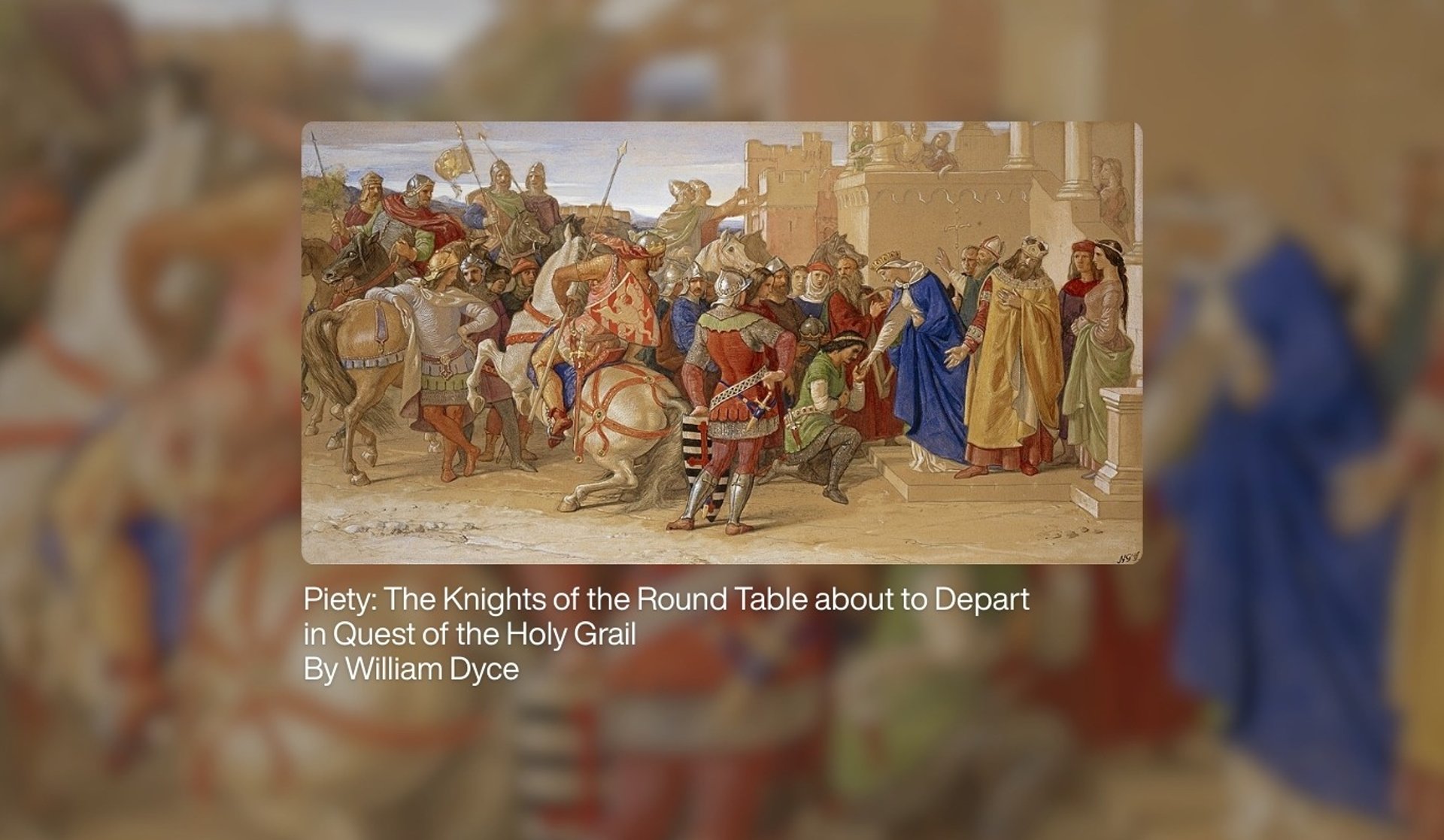
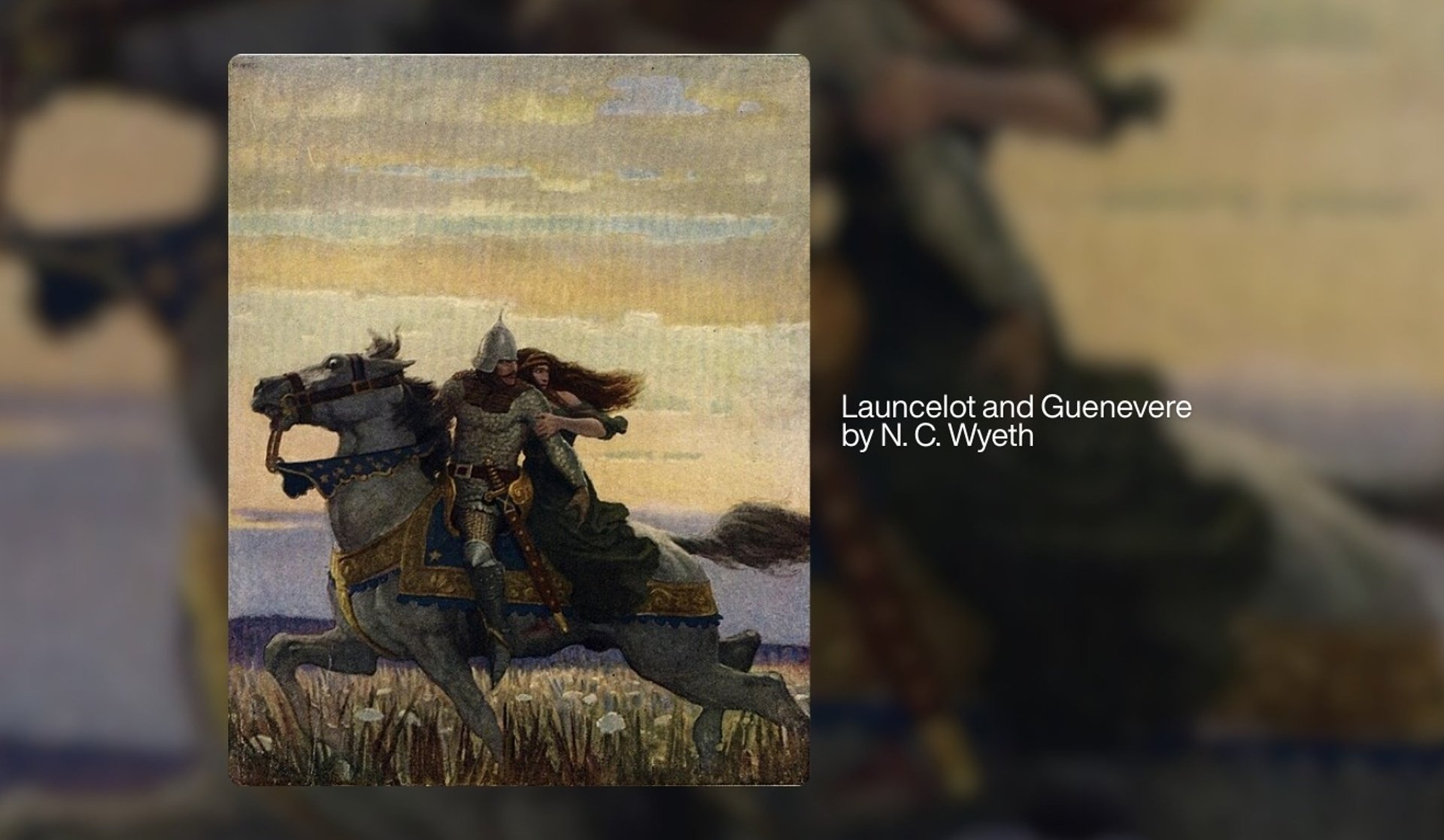
The Knights of the Round Table were a legendary companionship of knights who served under King Arthur, the Mythical ruler of Britain. Their tales are part of the mythical cycles of the Matter of Britain, a form of Medieval literature. Each story follows a different knight, following their journeys with courage, loyalty, and the eternal quest for honour.
Anas Chbihi
1/29/20266 min read
The Knights of the Round Table were a legendary companionship of knights who served under King Arthur, the Mythical ruler of Britain. Their tales are part of the mythical cycles of Matter of Britain, a form of Medieval literature. Each story follows a different knight, following their journeys with courage, loyalty, and the eternal quest for honor. These ancient legends go beyond a shallow celebration of chivalric ideals, they also show the human struggles beneath the armor such as love, doubt, faith, and betrayal.
Swords and Magic: The Knights of the Round Table on the screen
Adeline Richard-Duperray describes the Arthurian legend as a universe rooted in the courtly tradition of literature and full of drama. It is a romanticisation of a world that combines romantic, chivalric, and moral elements, making this medieval pantheon a great source for cinema. As storytelling is the core of the art of film, production studios and filmmakers find that these symbols and narratives draw the interest of the crowds. Jordan Smoot, a cinematic writer, reported that 70% of movies today are based on old myths.
The Knights of the Round Table continue to serve as an infinite source for directors and filmmakers to explore the timeless themes of heroism, honor, and the complexity of human morality. Proof of which is that in the last 50 years, over 20 films were released representing the stories of the Round Table.
This article explores how the same legends can move in different directions, shaped each time by the vision and sensibility of those who retell them and their distinct artistic touches. To show how one story can unfold in multiple ways on screen depending on the direction, it looks at three well-known films rooted in these myths: Excalibur (1981), Lancelot du lac (1974), and The Green Knight (2021). The focus rests on cinema, as it is the medium, beyond literature, where knights and their stories have most persistently returned and appeared the most.
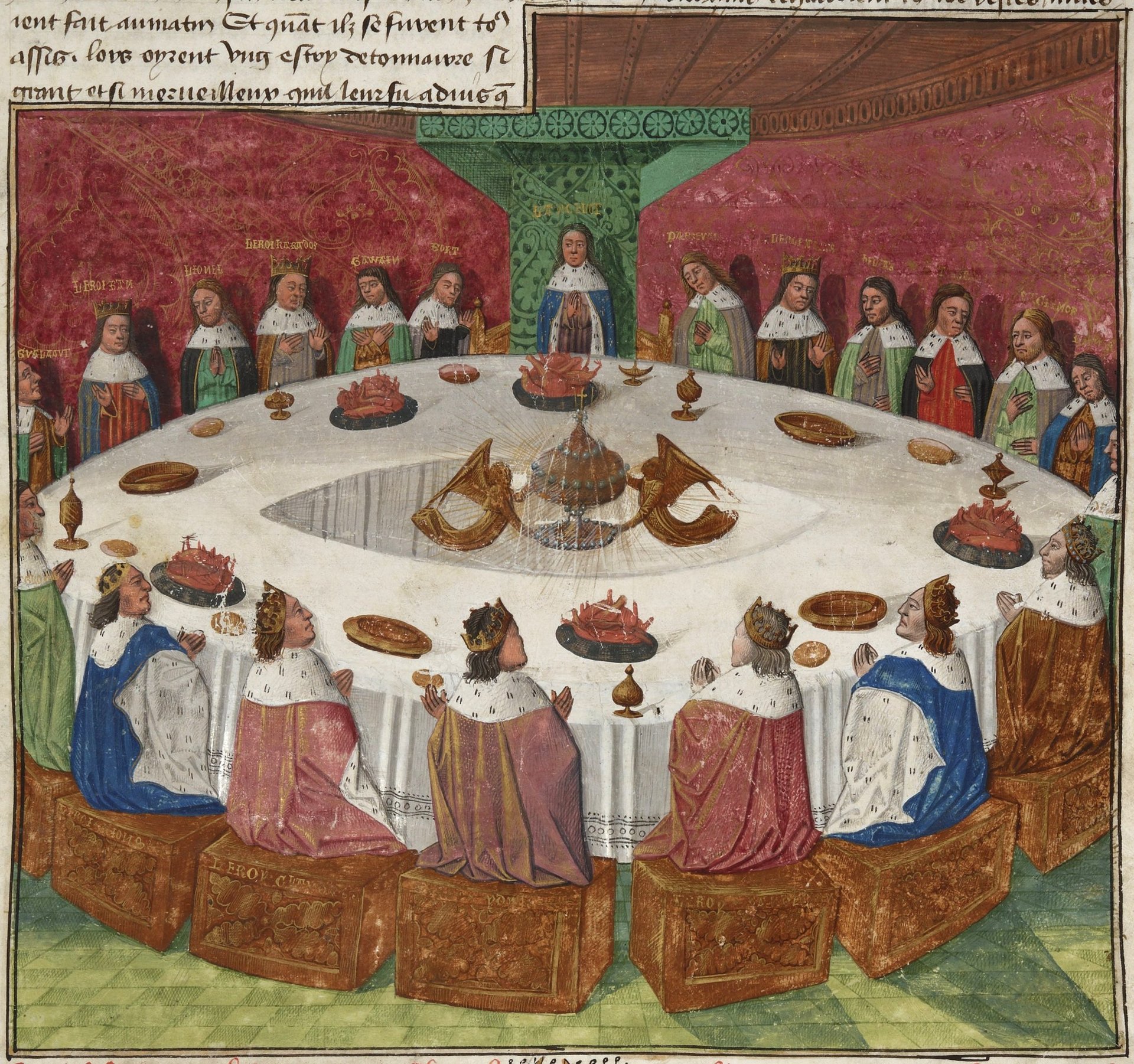
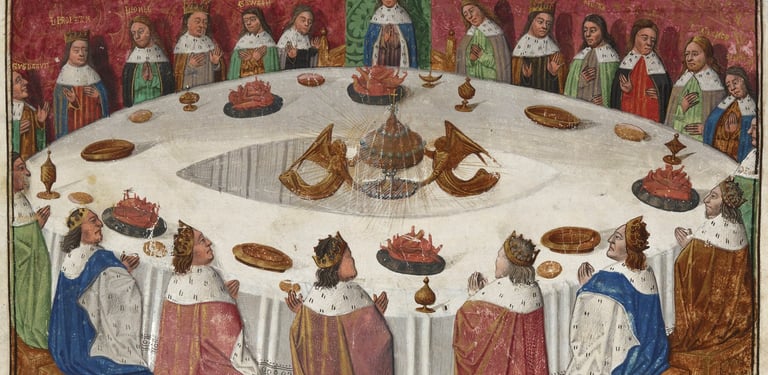
King Arthur’s Knights at the Round Table (Evrard d’Espinques, from a 1470 illuminated manuscript)
Lancelot Du Lac (1981)
The quest for the holy grail has always been portrayed in different stories as a quest of honor and true knighthood, it was a test for the knights to showcase their virtuous spirit, as the purity of the knight is what makes him worthy of the holy grail. The meaning of purity has of course changed as a concept throughout time, so by consequence the stories of the different knights have undergone a progressive change to fit this shift in culture.
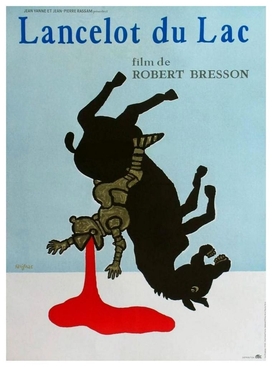
Robert Bresson’s take on the Arthurian legends is a cynical one, as can be seen in his directive approach to the nature of the quest of the grail. While the quest is often glorified in literature, here it is met with blood and soil, a harsh reality when contrasted with myth, that the grail itself does not appear, and the only thing it leads to is a tragic end. Bresson adds another layer on top of this, by showing the knights as earthly creatures rather than mythical beings, humane, even too humane, in some instances. All of this is ushered in by using predominantly medium shots, the film maintains a grounded atmosphere, distancing it from a mythical and larger-than-life aesthetic. The decors are very earthly, green forests, worn-down castles, and even the clothing, while not realistic, is not over the top
The protagonist, Lancelot Du Lac, is an honorable and virtuous character, yet he is not exempt from doubt and fear. He is aware that his courtly yet forbidden love for Guinevire will spark conflicts amongst his brothers in arms, still, he pursues his desires and feelings, even after his failed attempt to repress them.
This revision of the Arthurian myth shows the futility of honor under the meaningless squabble of man, it shows a man buried under the pressure of duty and love. It is a tragic myth without its grandiose elements.
Excalibur (1981)
While Lancelot of the Lake is a very cynical approach to the Arthurian mythos, Excalibur is quite the opposite, it is an epic retelling of the tales. Here, it is a story about honor, love, and courage, haunted by the weight of the past, and the fight for a fragile promised future. John Boorman’s movie is the most Homeric display of the rise and fall of Camelot. His film transforms the legend into an epic mosaic of shining armor, forbidden passion, and the eternal search for a kingdom built on unattainable ideals.
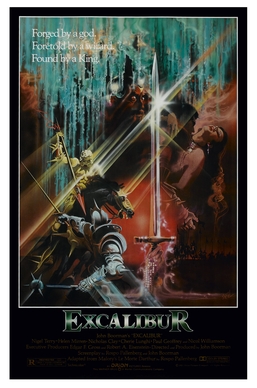
The movie merges different aspects to create a unique aesthetic, it is worldly renowned as an extremely original and special adaptation, that I can only think of a few other cinematic productions that could reach the same pedestal. That is, through the glaring stylised armors and decors, wide shots, and the use of the Technicolor process to film, creating an eerie and fairylike atmosphere, where magic dwells within reality. The movie is made only stronger by this incorporation of these visual elements into its narration. A striking example is the evolution of the armor which changes in appearance as the fate of the kingdom shifts.
The story in itself is a very straightforward retelling of Le Morte d'Arthur by Thomas Malory, but the genius composition and mise en scène done by Boorman adds a rich cinematic language, that transforms it into an epic poem where light, texture, and movement express what words simply cannot.
The Green Knight (2021)
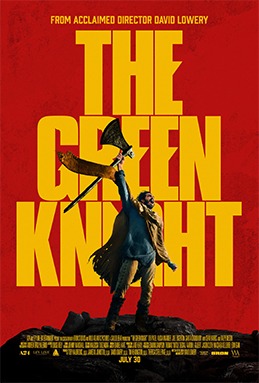
The Green Knight is a coming-of-age story told in the form of a heroic saga, it follows the adventures of Sir Gawain, one of the main knights in the myth, as he leaves Camelot seeking self-discovery, renown, and honor.
Excalibur embraces the myth with epic grandeur, fast-paced dynamic action, and luminous heroism, but The Green Knight takes a more meditative and haunting, almost psychedelic and contemplative approach to the Arthurian legend.
The story here centers around themes of doubt, temptation, honor that wavers, and the slow journey toward self-knowledge. Courage, a main theme within knighthood, is hidden here under the mist of the unknown. This film couldn't be just another reproduction of heroic and honorable knights in what is known in the saying “great knights in shining armor,” it is a questioning of those concepts and values. This can be seen in both the story and the characters: our main protagonist, Gawain, is depicted from the beginning as uncertain about himself, his worthiness, and what his quest in life is. The story is also made into the form of a pilgrimage where every encounter becomes a haunting test of character. This is further emphasized in his relationships with the women in his life, exemplified by the uncertain nature of the relationship with his lover, and the complex one with his mother.
All to say that the Green Knight is a tale that challenges the normative point of view about honor and courage. It shows us that these principles are fragile, malleable, and always in the making. It is about the difficult path toward accepting one’s fate with courage.
Same Myth, Three Different Retellings
Each director puts their own distinctive touch in various ways, be it decor, light, mise en scene, or even the focus of the story. The same tale can be told differently under a different light. Audiences from around the world are still eager to watch other film adaptations about the Knights of the Round Table for the richness behind these stories, the unexplored themes within the existing ones, or simply because knights are cool.
Lancelot du Lac film poster (directed by Robert Bresson, 1974)
Excalibur film poster (directed by John Boorman, 1981)
The Green Knight poster (directed by David Lowery, 2021)
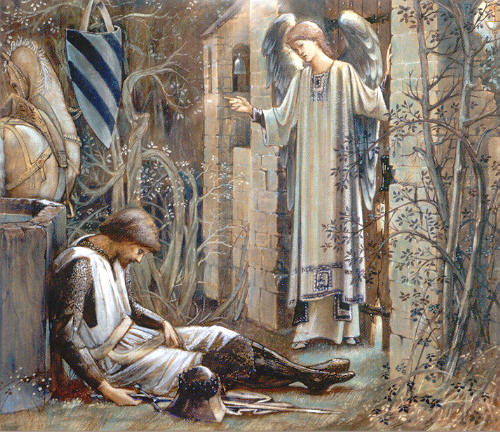
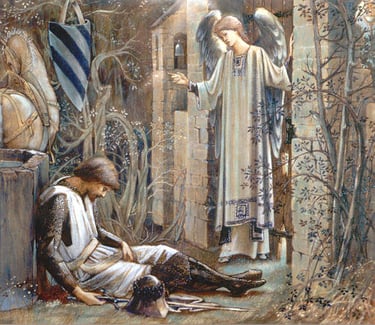
The Earthly Paradise (Sir Lancelot at the Chapel of the Holy Grail) (Sir Edward Coley Burne-Jones, 1890s)
About the Author
Anas Chbihi is a media student working at the intersection of cinema, semiotics, and visual culture. He is currently developing research that combines cinematic theoretical analysis with cultural and visual criticism. Beyond his academic pursuits, Chbihi engages with the arts, with a particular interest in film, music, and visual expression, informed by a critical engagement with politics and history.